Honeycomb Stingray
Himantura uarnak
- Group: Ray
- Typical depth: 20 to 50 m
- Max size: 2 m
- For divers: dangerous
- IUCN status: EN
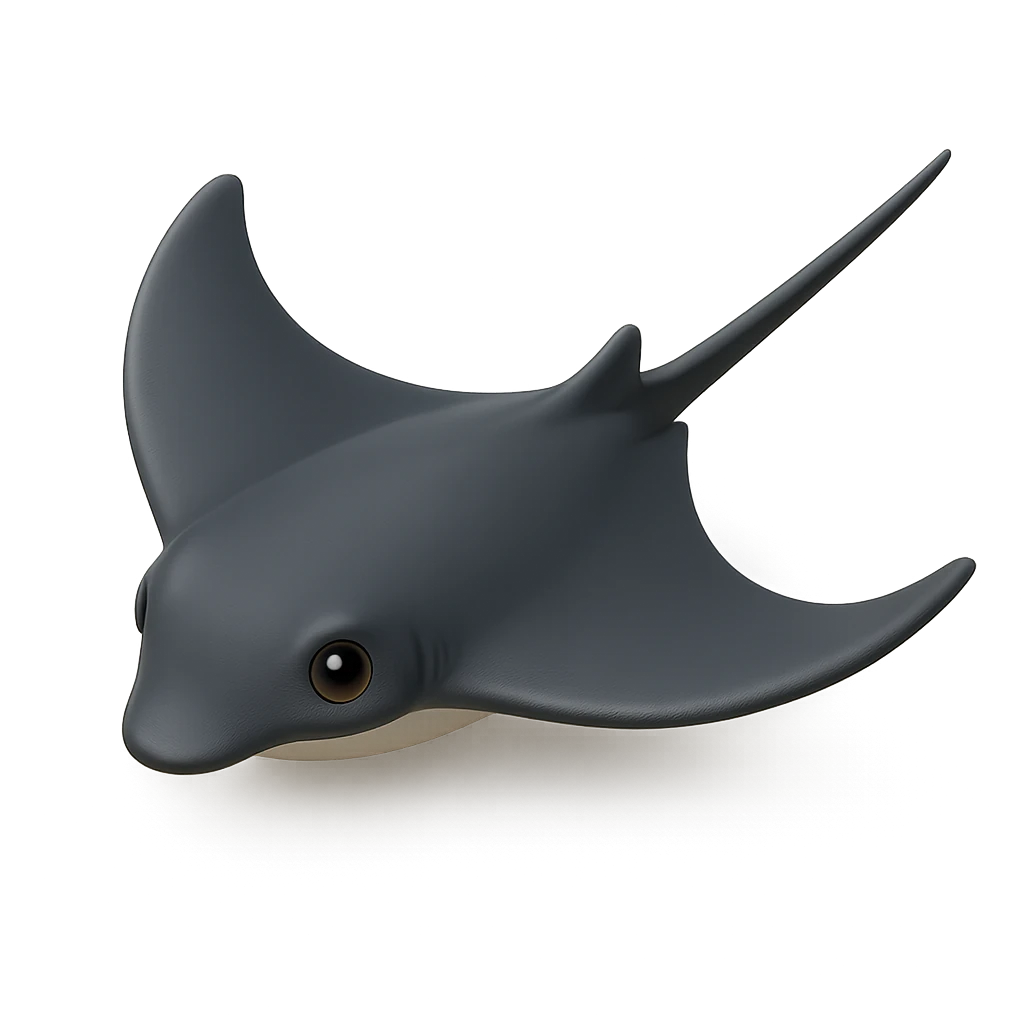
A large ray patterned in a fine honeycomb of spots, this stingray haunts sandy beaches, estuaries and lagoons and sometimes slips into fresh water. It can reach two metres across and carries a venomous tail spine, and it is now endangered. It feeds on fishes, shellfish, crabs, shrimp and worms.
Taxonomy: Animalia › Chordata › Elasmobranchii › Myliobatiformes › Dasyatidae › Himantura
Species data via the World Register of Marine Species (WoRMS), AphiaID 105854.
FAQ
- How deep does the Honeycomb Stingray live?
- The Honeycomb Stingray (Himantura uarnak) is typically found at 20 to 50 m.
- Is the Honeycomb Stingray dangerous to divers?
- The Honeycomb Stingray can be dangerous; divers should keep their distance.
- How big does the Honeycomb Stingray get?
- The Honeycomb Stingray grows to about 2 m.