Blue Stingray
Dasyatis chrysonota
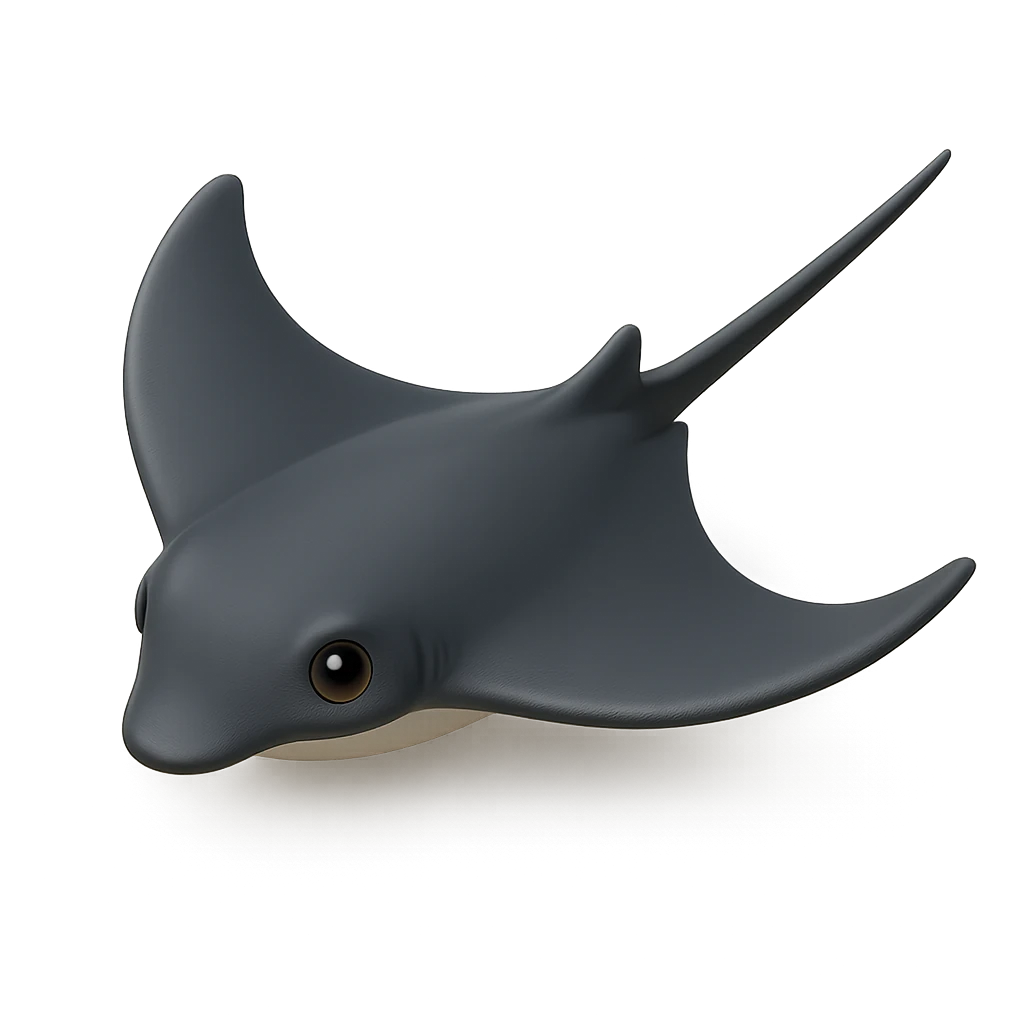
- Group: Ray
- Typical depth: 1 to 110 m
- Max size: 75 cm
- For divers: safe
- IUCN status: NT
The blue stingray moves into shallow bays and sandy beaches through summer and retreats to deeper water in winter. It feeds on bony fish and crustaceans such as crabs, shrimps and mantis shrimps, and bears litters of one to five live pups. Shore anglers often hook it, and it is considered near threatened.
Taxonomy: Animalia › Chordata › Elasmobranchii › Myliobatiformes › Dasyatidae › Dasyatis
Species data via the World Register of Marine Species (WoRMS), AphiaID 212250.
FAQ
- How deep does the Blue Stingray live?
- The Blue Stingray (Dasyatis chrysonota) is typically found at 1 to 110 m.
- Is the Blue Stingray dangerous to divers?
- The Blue Stingray is harmless to divers.
- How big does the Blue Stingray get?
- The Blue Stingray grows to about 75 cm.